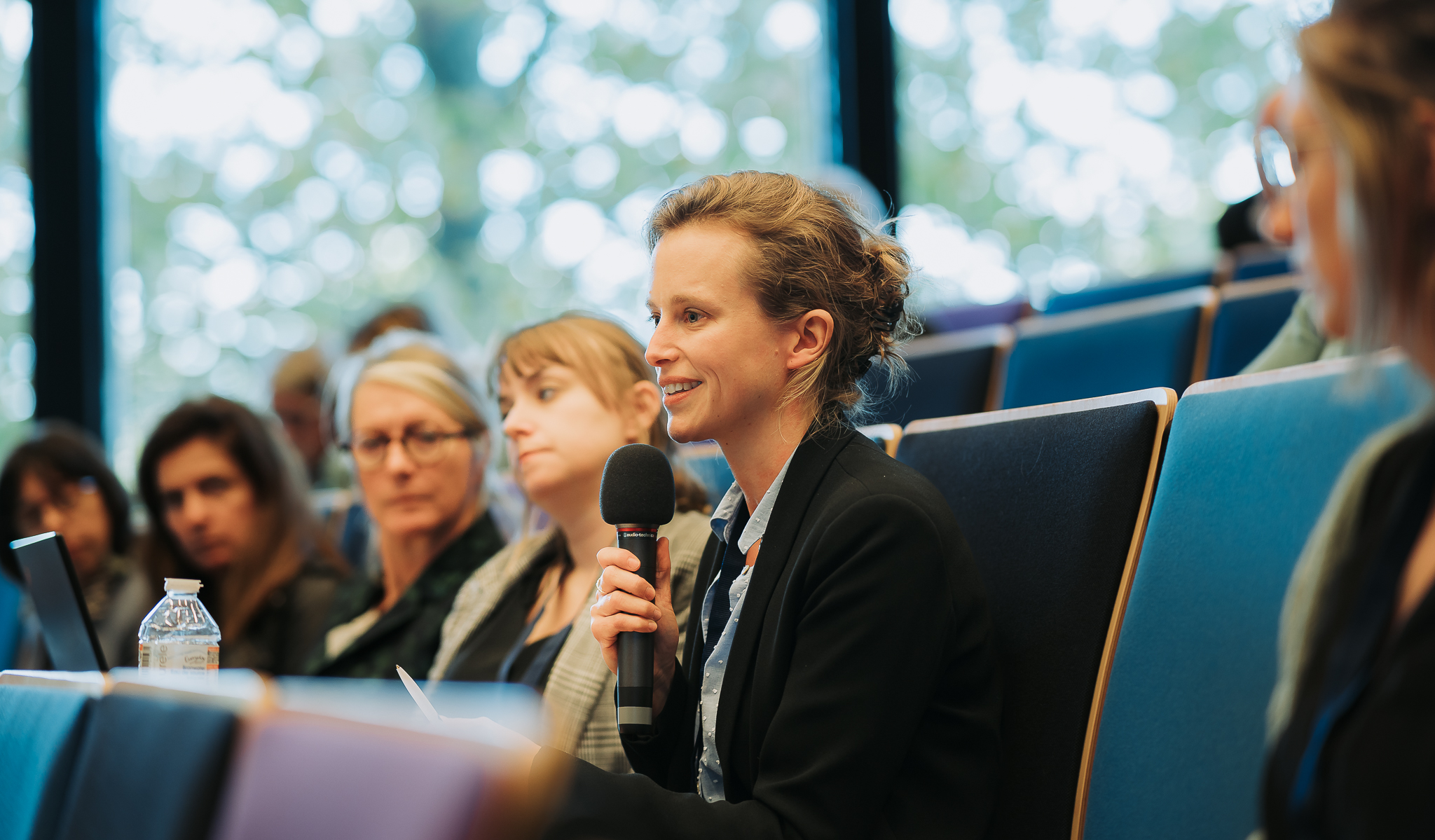
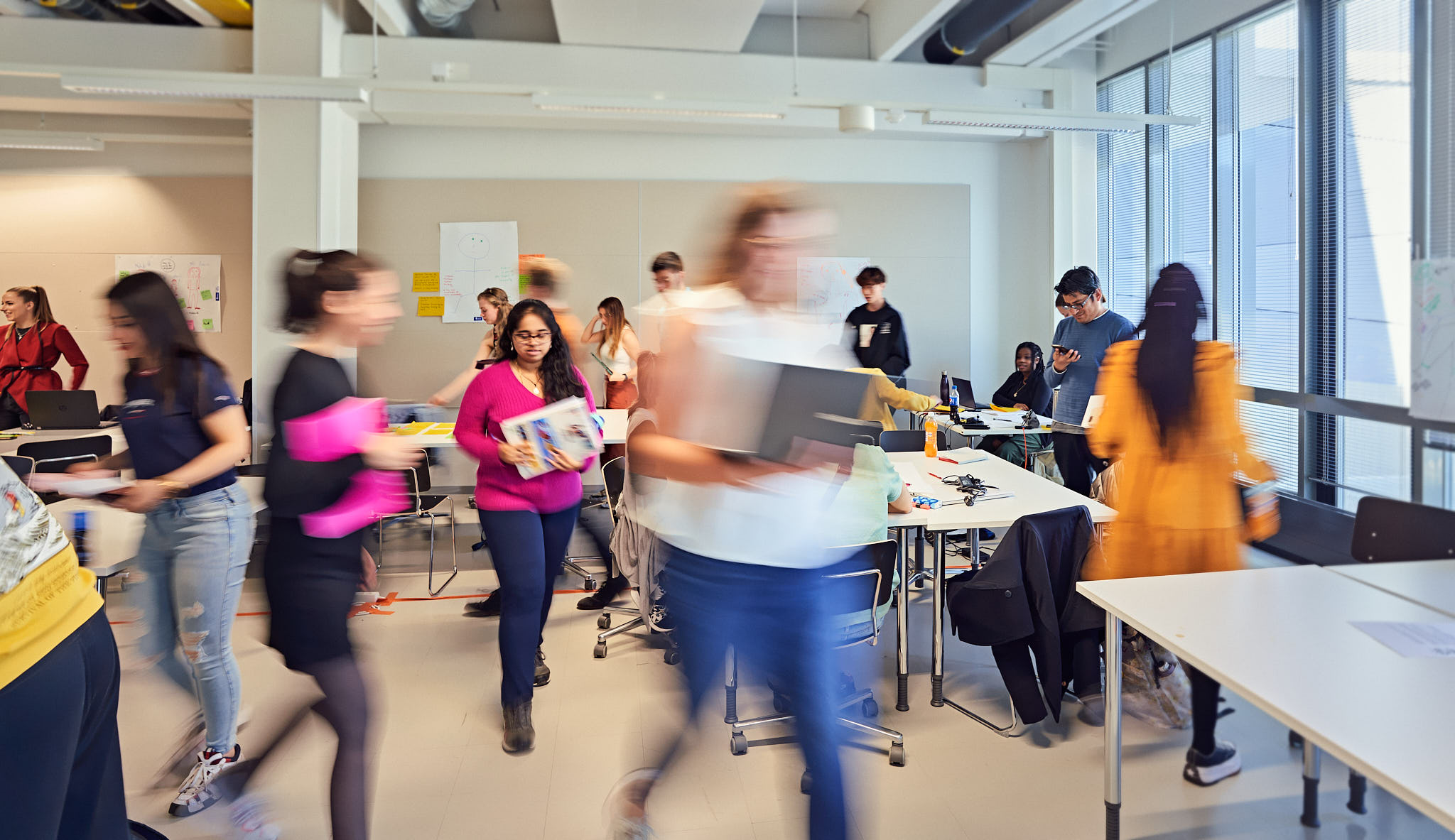
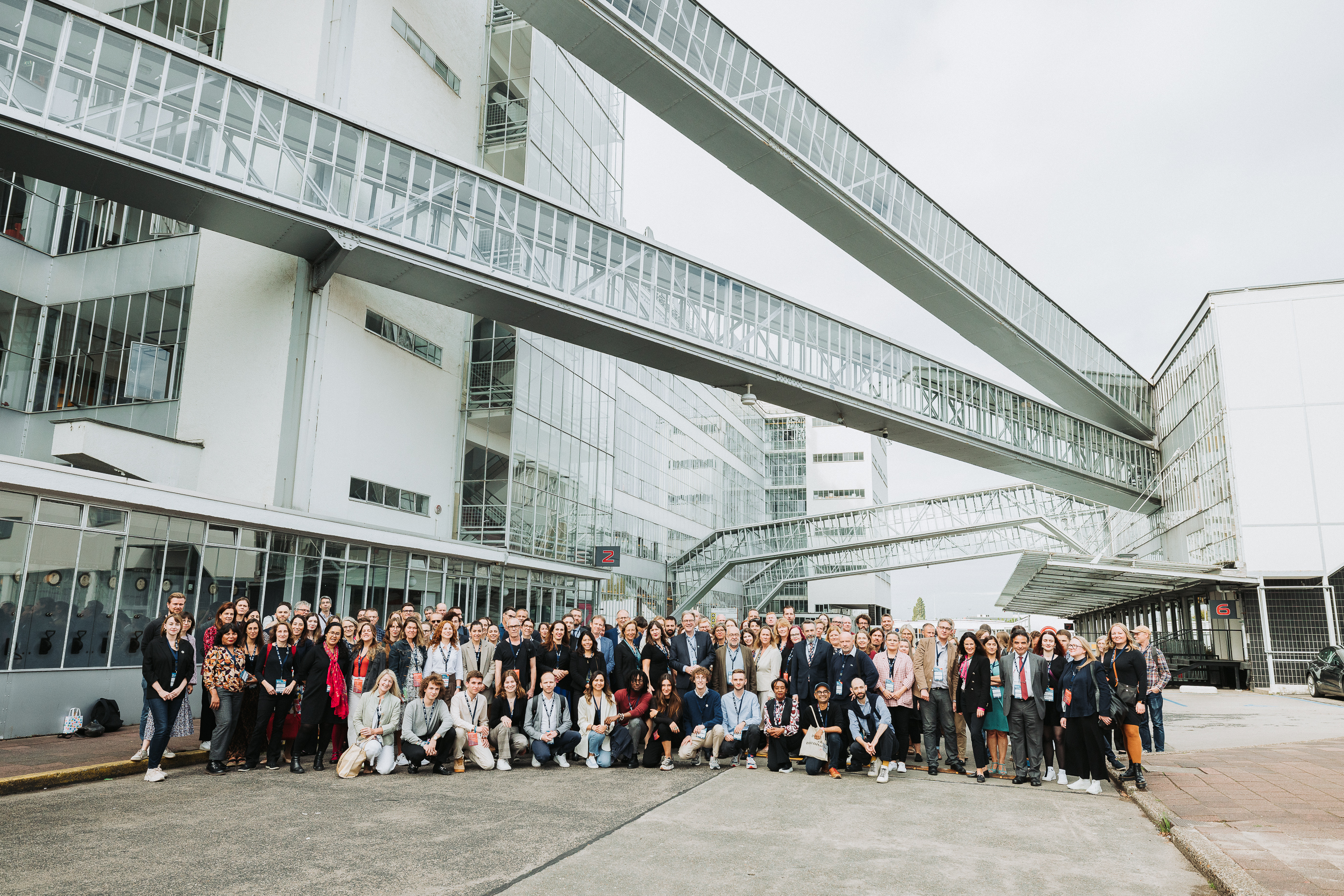
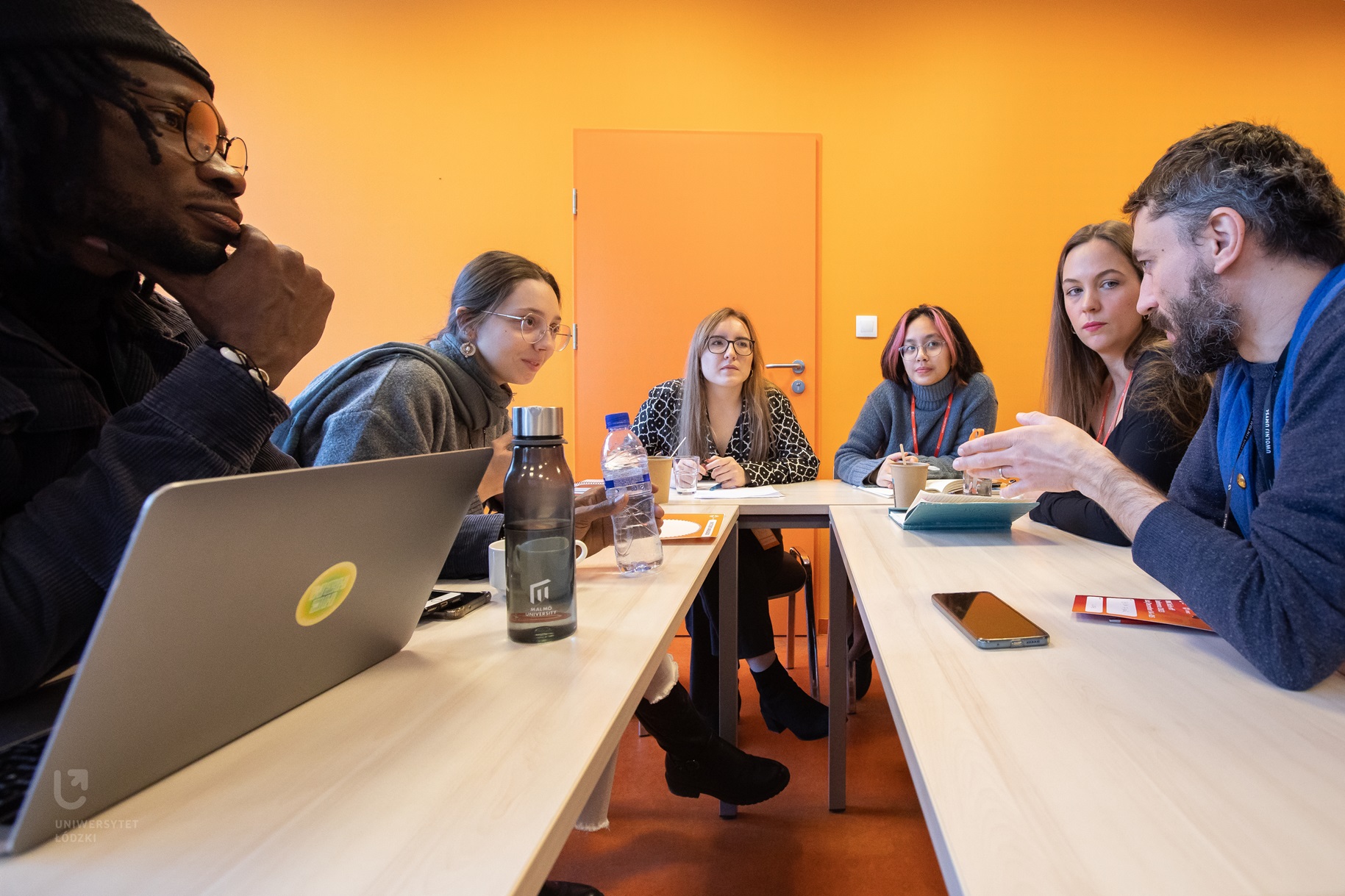
At the heart of TL4 is a commitment to socially engaged, practice-oriented teaching. This involves moving beyond the classroom into communities, where students and teachers collaborate directly with local actors to address real-world problems. The blended mobility approach — combining virtual and physical mobility — allows diverse student groups to collaborate across borders while staying grounded in local community needs.
This pedagogical model encourages reflection, empathy, and civic responsibility while offering students opportunities to gain valuable professional experience. More importantly, it creates open channels of communication between universities and communities, making academic work more transparent, inclusive, and impactful.
Building Research Communities
Another key goal of TL4 is the creation of transnational research communities focused on priority areas such as migration, gender-based violence, and democratic institutions. These communities aim to foster collaborative research that is both academically rigorous and socially relevant. By connecting scholars from across the UNIC alliance, TL4 promotes comparative research, knowledge co-creation, and the development of policy recommendations that reflect diverse social and political contexts.